

ADHD in Adults: Breaking the Silence with Evidence-Based Therapy and Support
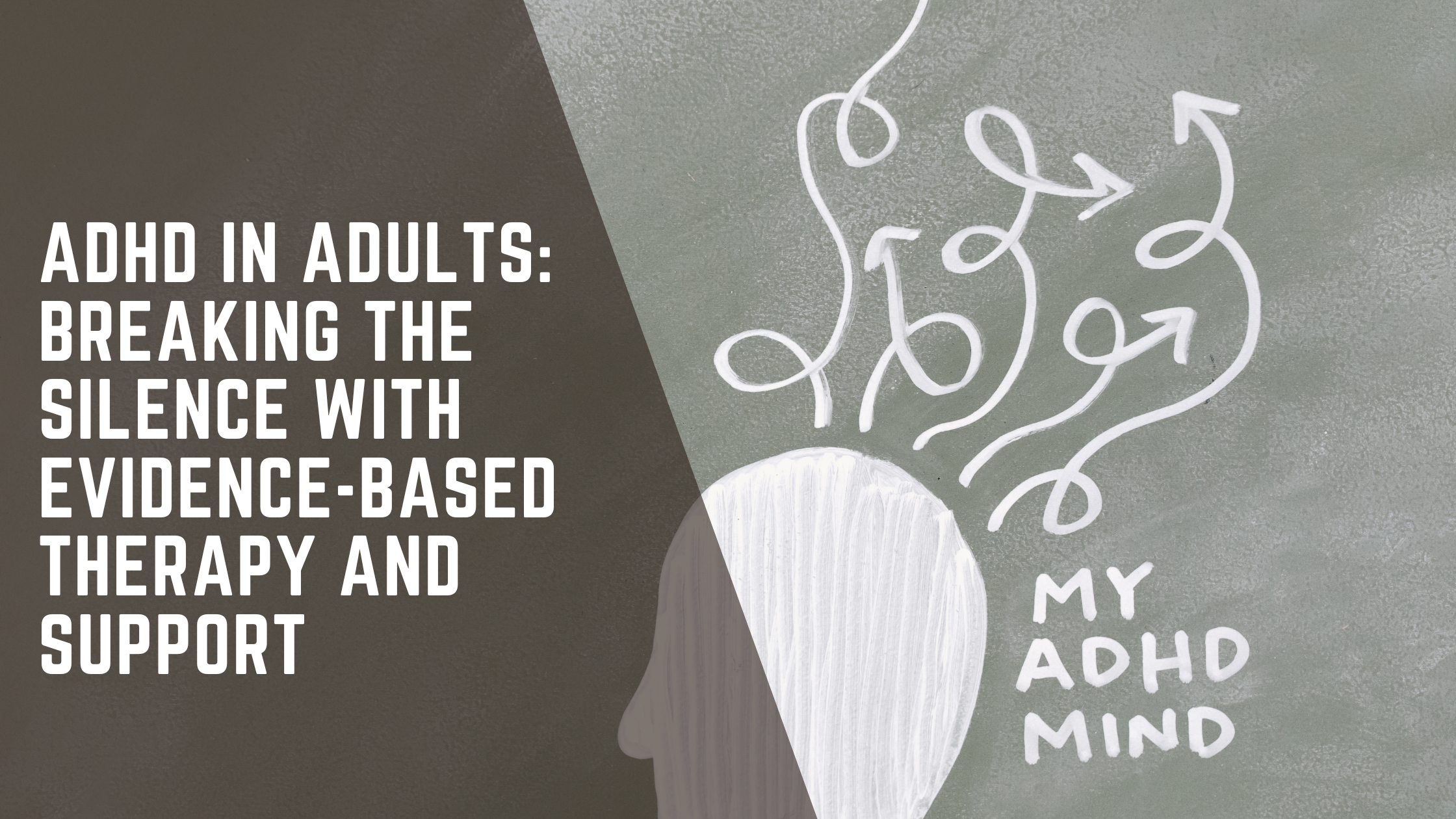
Attention-Deficit/Hyperactivity Disorder (ADHD) is often associated with childhood, but millions of adults live with undiagnosed or misunderstood ADHD every day. For years, adult ADHD was overlooked, dismissed as stress, personality traits, or poor time management. Today, increased awareness and clinical research are transforming how ADHD in adults is identified, treated, and supported. With the right diagnosis and evidence-based therapy, adults with ADHD can improve focus, emotional regulation, relationships, and overall quality of life.
Understanding ADHD in Adults
ADHD in adults presents differently than in children. While hyperactivity may decrease over time, symptoms such as inattention, impulsivity, emotional dysregulation, and executive functioning challenges often persist. Adults with ADHD may struggle with organization, meeting deadlines, maintaining focus at work, or managing responsibilities at home. These challenges can lead to chronic stress, low self-esteem, anxiety, and depression if left untreated.
Because many adults grew up when ADHD awareness was limited, their symptoms were frequently misinterpreted. As a result, adult ADHD often goes undiagnosed for years, delaying access to proper mental health counseling and support.
Common Signs and Symptoms of Adult ADHD
Recognizing the symptoms is the first step toward understanding and healing. Common signs of ADHD in adults include:
Difficulty sustaining attention or completing tasks
Chronic procrastination and poor time management
Impulsivity in decision-making or conversations
Emotional sensitivity and mood fluctuations
Trouble with organization and prioritization
Relationship and workplace challenges
These symptoms can vary in intensity and may overlap with anxiety or mood disorders, which is why professional evaluation is essential.
The Importance of Proper Diagnosis
An accurate ADHD diagnosis is crucial for effective treatment. Mental health professionals use comprehensive assessments that include clinical interviews, symptom history, and standardized screening tools. Proper diagnosis helps distinguish ADHD from conditions such as anxiety, depression, or trauma-related disorders.
For adults, receiving an ADHD diagnosis can be life-changing. Many experience a sense of relief, finally understanding the root of lifelong struggles. Diagnosis opens the door to evidence-based therapy, personalized coping strategies, and meaningful support.
Evidence-Based Therapy for Adult ADHD
Evidence-based therapy plays a central role in managing ADHD in adults. Cognitive Behavioral Therapy (CBT) is one of the most effective therapeutic approaches, helping individuals identify unhelpful thought patterns, improve focus, and develop practical coping skills.
Other proven therapeutic approaches include:
ADHD-focused counseling: Helps build structure, routines, and accountability
Executive functioning coaching: Supports organization, planning, and goal setting
Mindfulness-based therapy: Improves emotional regulation and attention
Medication management (when appropriate): Often combined with therapy for optimal results
Therapy for adult ADHD is not about “fixing” a person—it’s about understanding how the brain works and learning strategies to thrive.
Support Beyond Therapy
Effective ADHD treatment goes beyond therapy sessions. Ongoing support is essential for long-term success. Lifestyle changes such as regular exercise, healthy sleep habits, and structured routines can significantly reduce symptoms. Support groups and psychoeducation also help adults feel less isolated and more empowered.
Mental health counseling tailored to adult ADHD focuses on strengths as well as challenges. Many adults with ADHD are creative, innovative, and highly intuitive when given the right tools and environment.
ADHD, Mental Health, and Emotional Well-Being
Untreated ADHD can impact emotional well-being, increasing the risk of anxiety, depression, and burnout. Addressing ADHD through evidence-based mental health counseling improves not only attention and productivity but also self-confidence and emotional balance.
When adults feel understood rather than judged, healing becomes possible. Modern mental health care emphasizes compassion, education, and individualized treatment plans.
Conclusion
ADHD in adults is no longer overlooked—it is increasingly understood through research, awareness, and evidence-based therapy. With accurate diagnosis, personalized mental health counseling, and ongoing support, adults with ADHD can lead fulfilling, focused, and balanced lives. If you or a loved one are navigating the challenges of adult ADHD, seeking professional help can be the turning point toward clarity and confidence. For those seeking Best Mental Health Counseling in Oneonta, NY, compassionate and evidence-based support can make all the difference.