


Blog
Understanding Normal Anxiety Versus Clinical Anxiety: When It’s Time to Seek Help
About 4.4% of adults in the United States have ADHD. While we often think of it as a children’s disorder, that doesn’t mean it “goes away” through adulthood. Unfortunately, that’s not the only misconception people tend to have about the condition.

When Anxiety Keeps You Awake: The Psychology Behind Bedtime Procrastination
About 4.4% of adults in the United States have ADHD. While we often think of it as a children’s disorder, that doesn’t mean it “goes away” through adulthood. Unfortunately, that’s not the only misconception people tend to have about the condition.

The Calm Mind Method: Daily Actions for Lasting Happiness
About 4.4% of adults in the United States have ADHD. While we often think of it as a children’s disorder, that doesn’t mean it “goes away” through adulthood. Unfortunately, that’s not the only misconception people tend to have about the condition.

How to Have Honest Conversations With Kids About Difficult Topics
About 4.4% of adults in the United States have ADHD. While we often think of it as a children’s disorder, that doesn’t mean it “goes away” through adulthood. Unfortunately, that’s not the only misconception people tend to have about the condition.

Understanding Separation Anxiety in Children: Causes, Signs & Proven Strategies
About 4.4% of adults in the United States have ADHD. While we often think of it as a children’s disorder, that doesn’t mean it “goes away” through adulthood. Unfortunately, that’s not the only misconception people tend to have about the condition.

A Guide to Helping Your Teen Build Strong Self-Management Skills
About 4.4% of adults in the United States have ADHD. While we often think of it as a children’s disorder, that doesn’t mean it “goes away” through adulthood. Unfortunately, that’s not the only misconception people tend to have about the condition.
Unexpected Signs of Generalized Anxiety Disorder (GAD) You Might Not Know About
About 4.4% of adults in the United States have ADHD. While we often think of it as a children’s disorder, that doesn’t mean it “goes away” through adulthood. Unfortunately, that’s not the only misconception people tend to have about the condition.

From Overthinking to Deep Sleep: How to Calm Racing Thoughts Before Bed
About 4.4% of adults in the United States have ADHD. While we often think of it as a children’s disorder, that doesn’t mean it “goes away” through adulthood. Unfortunately, that’s not the only misconception people tend to have about the condition.

Helping Children Thrive: Supporting Kids With Anxiety During Schedule Changes and Busy Seasons
About 4.4% of adults in the United States have ADHD. While we often think of it as a children’s disorder, that doesn’t mean it “goes away” through adulthood. Unfortunately, that’s not the only misconception people tend to have about the condition.
Understanding Performance Anxiety: Why It Happens and How Therapy Can Help
About 4.4% of adults in the United States have ADHD. While we often think of it as a children’s disorder, that doesn’t mean it “goes away” through adulthood. Unfortunately, that’s not the only misconception people tend to have about the condition.
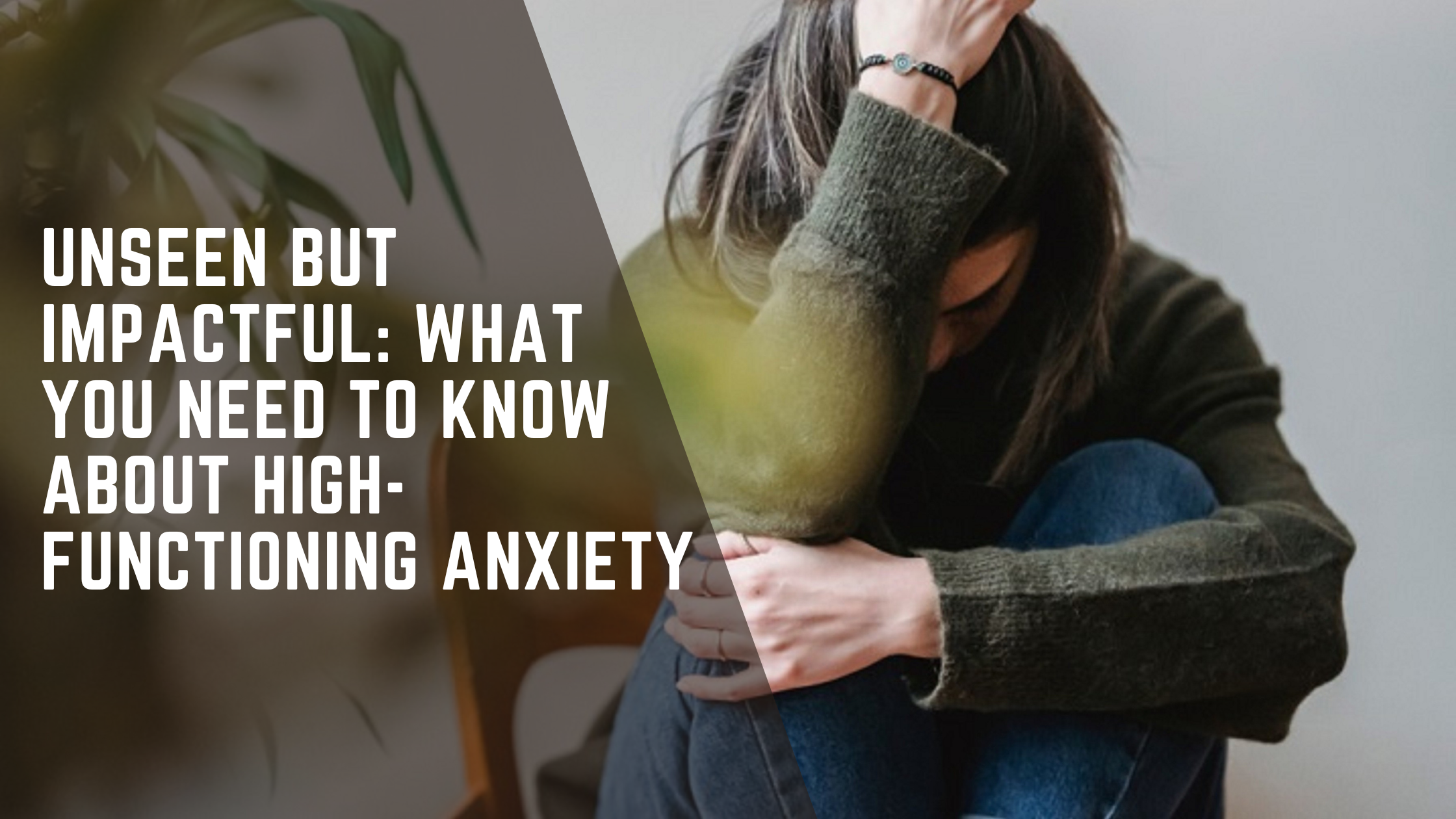
Unseen but Impactful: What You Need to Know About High-Functioning Anxiety
About 4.4% of adults in the United States have ADHD. While we often think of it as a children’s disorder, that doesn’t mean it “goes away” through adulthood. Unfortunately, that’s not the only misconception people tend to have about the condition.

The Most Common Mistakes People Make When Trying to Stop Panic Attacks — and What Truly Helps
About 4.4% of adults in the United States have ADHD. While we often think of it as a children’s disorder, that doesn’t mean it “goes away” through adulthood. Unfortunately, that’s not the only misconception people tend to have about the condition.
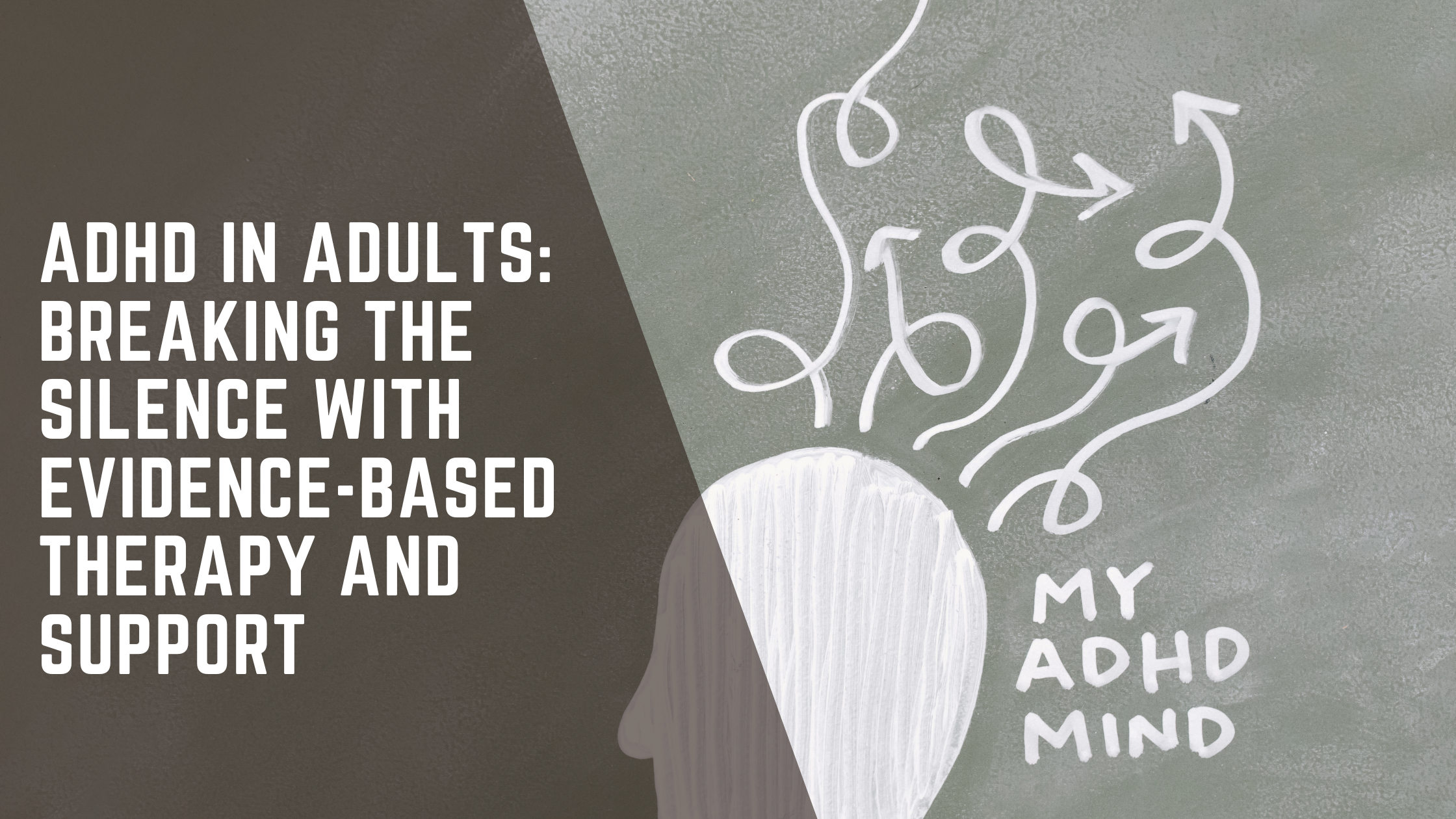
ADHD in Adults: Breaking the Silence with Evidence-Based Therapy and Support
About 4.4% of adults in the United States have ADHD. While we often think of it as a children’s disorder, that doesn’t mean it “goes away” through adulthood. Unfortunately, that’s not the only misconception people tend to have about the condition.

Finding Calm During the Chaos: A Guide to Holiday Stress and Emotional Balance
About 4.4% of adults in the United States have ADHD. While we often think of it as a children’s disorder, that doesn’t mean it “goes away” through adulthood. Unfortunately, that’s not the only misconception people tend to have about the condition.

Morning Anxiety Explained: Why You Wake Up Worried and How to Manage It
About 4.4% of adults in the United States have ADHD. While we often think of it as a children’s disorder, that doesn’t mean it “goes away” through adulthood. Unfortunately, that’s not the only misconception people tend to have about the condition.
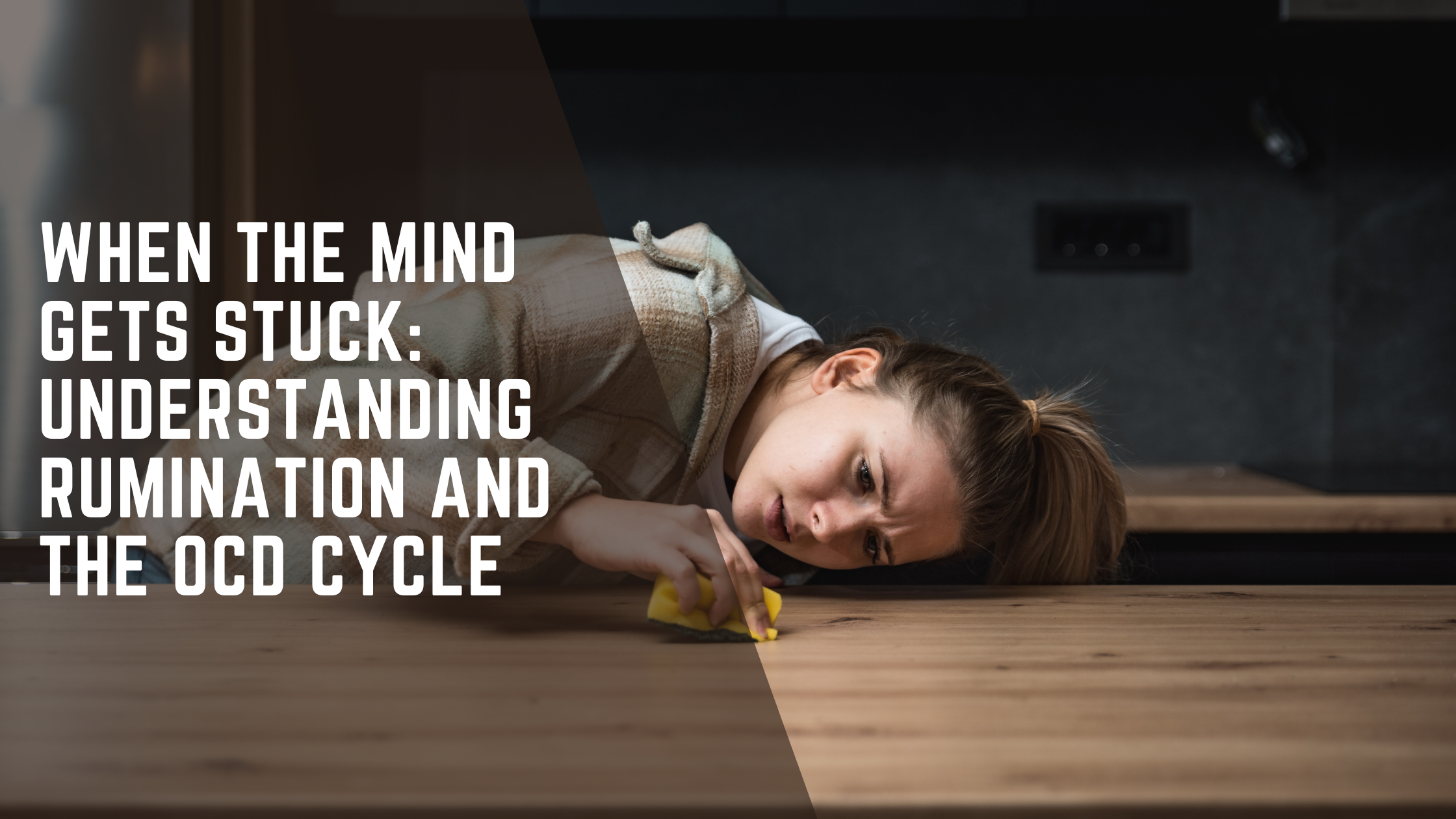
When the Mind Gets Stuck: Understanding Rumination and the OCD Cycle
About 4.4% of adults in the United States have ADHD. While we often think of it as a children’s disorder, that doesn’t mean it “goes away” through adulthood. Unfortunately, that’s not the only misconception people tend to have about the condition.
Everyday Emotional Regulation Skills to Strengthen Mental Well-Being
About 4.4% of adults in the United States have ADHD. While we often think of it as a children’s disorder, that doesn’t mean it “goes away” through adulthood. Unfortunately, that’s not the only misconception people tend to have about the condition.
Breathing and Grounding Techniques for Anxiety
About 4.4% of adults in the United States have ADHD. While we often think of it as a children’s disorder, that doesn’t mean it “goes away” through adulthood. Unfortunately, that’s not the only misconception people tend to have about the condition.