

Helping Children Thrive: Supporting Kids With Anxiety During Schedule Changes and Busy Seasons
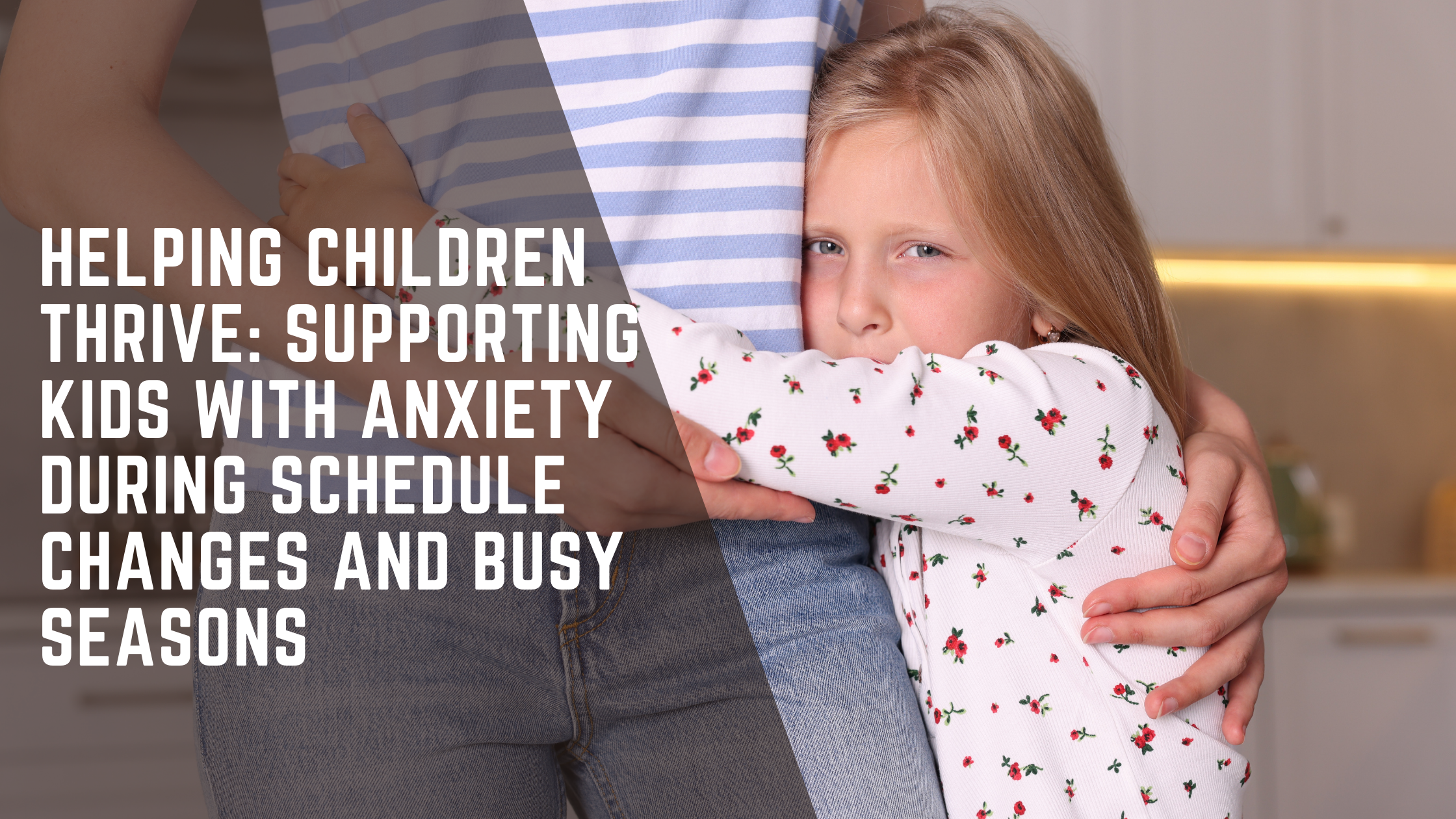
Life for kids can be unpredictable—new school routines, holidays packed with activities, family events, and seasonal changes can all disrupt familiar schedules. For many children, these transitions feel exciting. But for others, especially those sensitive to change, these periods can trigger anxiety and stress. Understanding how to support kids with anxiety during schedule changes and busy seasons is essential for parents, caregivers, and educators who want children to feel grounded, secure, and confident.
In this blog, we’ll explore effective strategies to help children navigate changes, reduce anxiety, and build resilience. We’ll also discuss how to spot early signs of stress and create a supportive environment that helps kids thrive through every season.
Why Schedule Changes Increase Anxiety in Kids
Children often feel safest when their day-to-day routines are predictable. A consistent schedule helps them anticipate what’s coming next — whether it’s school time, playtime, or bedtime. When routines shift abruptly—like during holiday breaks, family trips, or the start of a new school year — kids can feel overwhelmed.
These changes can:
Disrupt sleep patterns
Increase feelings of uncertainty
Cause worry about expectations
Trigger behavioral changes
For children already managing anxiety, even small disruptions can feel magnified. That’s why supporting kids with anxiety during schedule changes and busy seasons means acknowledging their emotional experience — and offering concrete tools to help them cope.
Common Signs of Anxiety During Schedule Changes
Before implementing strategies, it’s essential to recognize when a child is struggling. Signs of anxiety in kids can include:
Irritability or mood swings
Difficulty sleeping or frequent nightmares
Complaints of stomachaches or headaches
Avoidance of social or school activities
Clinginess or separation concerns
Each child expresses feelings differently, so patterns of emotional or behavioral changes are important to watch. The sooner parents and caregivers can recognize signs of stress, the faster they can intervene with comfort and structure.
Practical Strategies to Support Kids During Busy Seasons
Here are effective, evidence-based approaches families can use:
1. Create Predictable Daily Routines
Even during busy seasons or schedule shifts, consistency can be calming. Establish daily anchors like:
Fixed wake-up and bedtime routines
Family meals at the same time each day
Quiet time before bed for reading or conversation
Predictability helps reduce uncertainty — a major trigger for anxiety in kids.
2. Use Visual Schedules and Countdown Tools
For many children, seeing a schedule makes change feel more manageable. Try:
A weekly calendar on the wall
A countdown to big events (holidays, vacations, birthdays)
Color-coded blocks for school, homework, and activities
Visual cues help children anticipate what’s next and feel more in control.
3. Encourage Open Conversations About Feelings
Talking about feelings isn’t always intuitive for kids. Parents can:
Ask open-ended questions like “How are you feeling about school this week?”
Listen without judgment
Validate emotions (e.g., “It makes sense you feel nervous about that.”)
When children feel heard, they build emotional resilience and self-awareness.
4. Teach Simple Anxiety-Reducing Techniques
Kids can learn practical tools to calm their nervous systems:
Deep breathing exercises
Simple yoga or stretching
Drawing or journaling about emotions
Listening to calming music
These practices become lifelong tools children can use whenever they feel overwhelmed.
5. Prioritize Rest and Unstructured Play
Busy seasons often mean jam-packed calendars. But rest is essential for emotional regulation. Ensure children have:
Time for unstructured play
Downtime to relax
Early bedtimes during weeknights
Rest helps reset both body and mind during change.
Working With Schools and Caregivers
Supporting kids with anxiety during schedule changes and busy seasons isn’t just a home-based effort — it involves collaboration with teachers, caregivers, and activity leaders. Share insights about what works best for your child. Ask for:
Additional check-ins during transitions
Modified expectations when routines shift
Quiet spaces during overstimulating events
Effective communication between home and school can provide crucial consistency across environments.
Conclusion: Helping Children Navigate Life’s Changes Successfully
Supporting kids with anxiety during schedule changes and busy seasons requires patience, consistency, and understanding. By building predictable routines, using visual tools, fostering open conversations, and teaching calming techniques, caregivers can significantly ease children’s anxiety. Remember that every child is unique — some may adapt quickly to change, while others need extra support and reassurance. With the right strategies, kids can not only cope with transitions but thrive through them.