

Understanding Normal Anxiety Versus Clinical Anxiety: When It’s Time to Seek Help
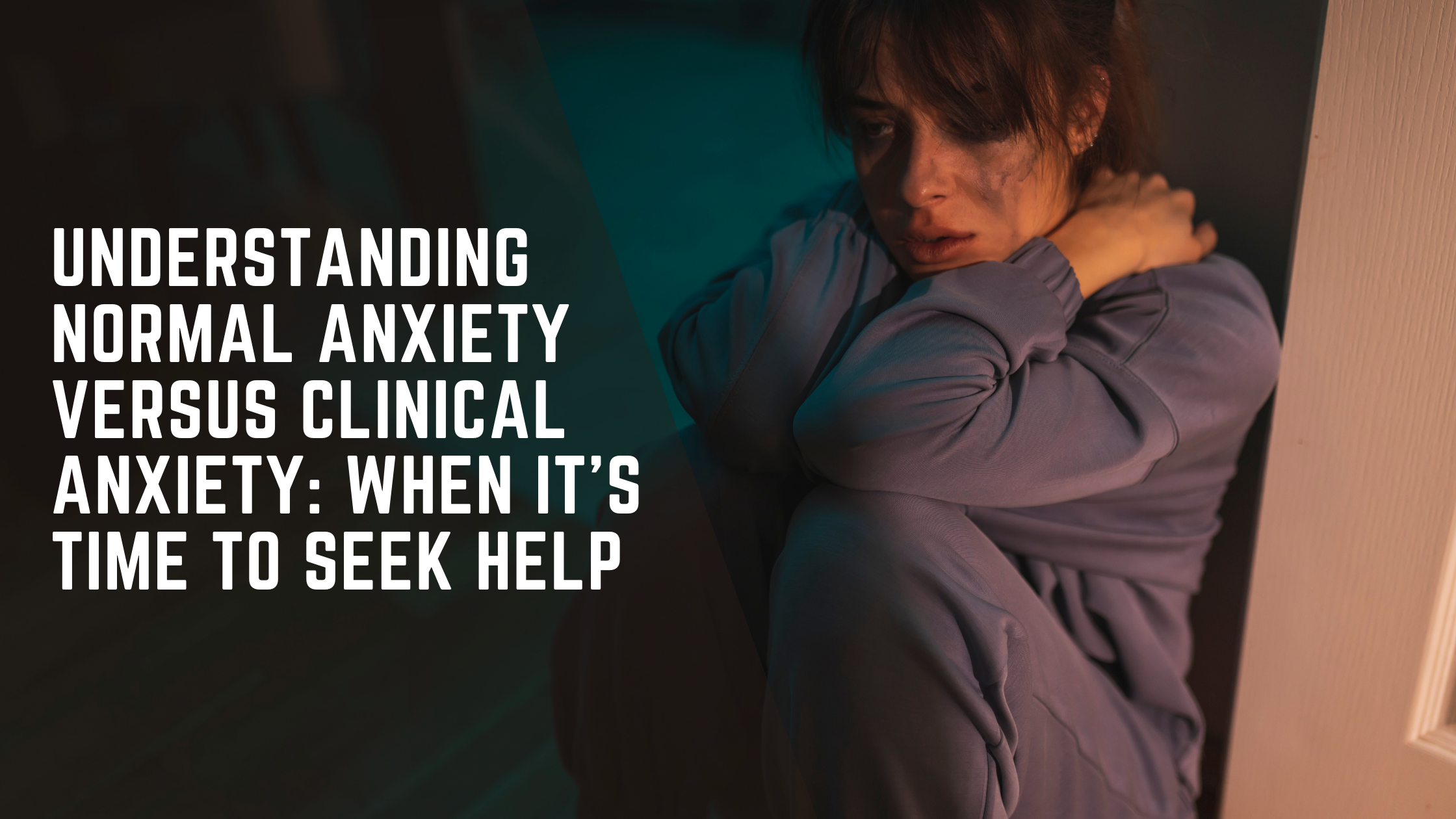
Anxiety is a natural part of life — a built-in alarm system that alerts us to potential danger and motivates us to take action. But when does that “normal” anxiety cross the line into something more serious? Understanding the difference between normal anxiety and clinical anxiety is crucial, especially in helping individuals recognize when professional support is necessary. In this article, we explore the key distinctions, common signs, and when you should consider seeking help for anxiety.
What Is Normal Anxiety?
Normal anxiety is a temporary emotional response to stress or threat. It’s common to feel nervous before a job interview, worried about a major life change, or uneasy when facing uncertainty. This type of anxiety:
Is tied to specific events or situations
Subsides once the stressor is gone
Doesn’t significantly interfere with daily functioning
May even motivate positive action
For example, feeling jittery before a presentation might encourage extra preparation — which can lead to better performance. Normal anxiety often comes and goes; it serves a purpose and doesn’t linger long after the triggering event has passed.
What Is Clinical Anxiety?
Clinical anxiety — also known as an anxiety disorder — is more than just occasional nervousness. It’s a persistent, excessive worry or fear that disrupts daily life. Anxiety disorders are legitimate mental health conditions that often require professional treatment. Unlike normal anxiety, clinical anxiety is:
Chronic and ongoing
Out of proportion to the situation
Difficult to control
Interfering with social interactions, work, or daily routines
Common anxiety disorders include Generalized Anxiety Disorder (GAD), Panic Disorder, Social Anxiety Disorder, and specific phobias. These conditions affect millions and can take a toll on emotional well-being, physical health, and overall quality of life if left unaddressed.
Signs Normal Anxiety Has Become Clinical
Distinguishing between everyday stress and an anxiety disorder can be challenging. However, there are certain telltale signs that suggest anxiety may be clinical in nature:
1. Duration and Intensity
While normal anxiety subsides, clinical anxiety persists for weeks, months, or even years. The feelings are intense and often feel uncontrollable.
2. Impact on Daily Functioning
When anxiety disrupts sleep, productivity, relationships, or self-care, it may be more than temporary worry. People with clinical anxiety often avoid certain activities or situations because of fear.
3. Physical Symptoms Without Clear Cause
Clinical anxiety can manifest physically, such as heart palpitations, sweating, muscle tension, headaches, or gastrointestinal discomfort — even when there’s no obvious trigger.
4. Panic Attacks
Sudden, intense waves of fear accompanied by physical sensations (like shortness of breath or chest tightness) can signal a panic disorder, a form of clinical anxiety.
5. Constant Worry That Feels Unmanageable
If your thoughts are dominated by relentless worry, even about everyday matters, and you can’t seem to “turn off” anxious thinking, this may indicate an anxiety disorder.
Why Early Support Matters
Left untreated, clinical anxiety can escalate. It may contribute to depression, substance misuse, sleep disorders, or other mental health challenges. Early intervention not only improves quality of life but also increases the effectiveness of treatment.
What Treatment Looks Like
Clinical anxiety is highly treatable. Common evidence-based treatments include:
Cognitive Behavioral Therapy (CBT): Helps identify and change unhelpful thought patterns.
Exposure Therapy: Gradually reduces fear responses.
Medication: Used in certain cases to balance brain chemistry.
Mindfulness and Stress Management Techniques: Support anxiety reduction and emotional regulation.
Reaching out for help is not a weakness — it’s a proactive step toward wellbeing.
How to Know When It’s Time to Seek Help
Here are a few questions to ask yourself:
Is anxiety affecting my daily life or relationships?
Do I constantly feel on edge, even without a clear reason?
Am I avoiding important activities because of fear or worry?
Do physical symptoms of anxiety interfere with normal functioning?
If you answered “yes” to any of these, connecting with a mental health professional could make a significant difference. Mental health specialists can assess symptoms, provide diagnosis when appropriate, and tailor treatment to your needs.
Conclusion
Anxiety exists on a spectrum — from everyday stress to debilitating clinical conditions. Normal anxiety serves a purpose and typically fades as situations resolve. Clinical anxiety, however, persists, interferes with life, and often requires professional support. Recognizing the differences and seeking help early can transform your experience and support emotional resilience. If anxiety is impacting your joy, relationships, or overall functioning, reaching out for support is a powerful first step toward healing and balance. Whether you're uncertain or certain about your symptoms, speaking with a qualified therapist can bring clarity and relief. For individuals in and around Oneonta, NY, finding the Best Mental Health counseling in Oneonta, NY can provide the compassionate support and treatment needed to navigate anxiety with confidence and care.