

Understanding Separation Anxiety in Children: Causes, Signs & Proven Strategies
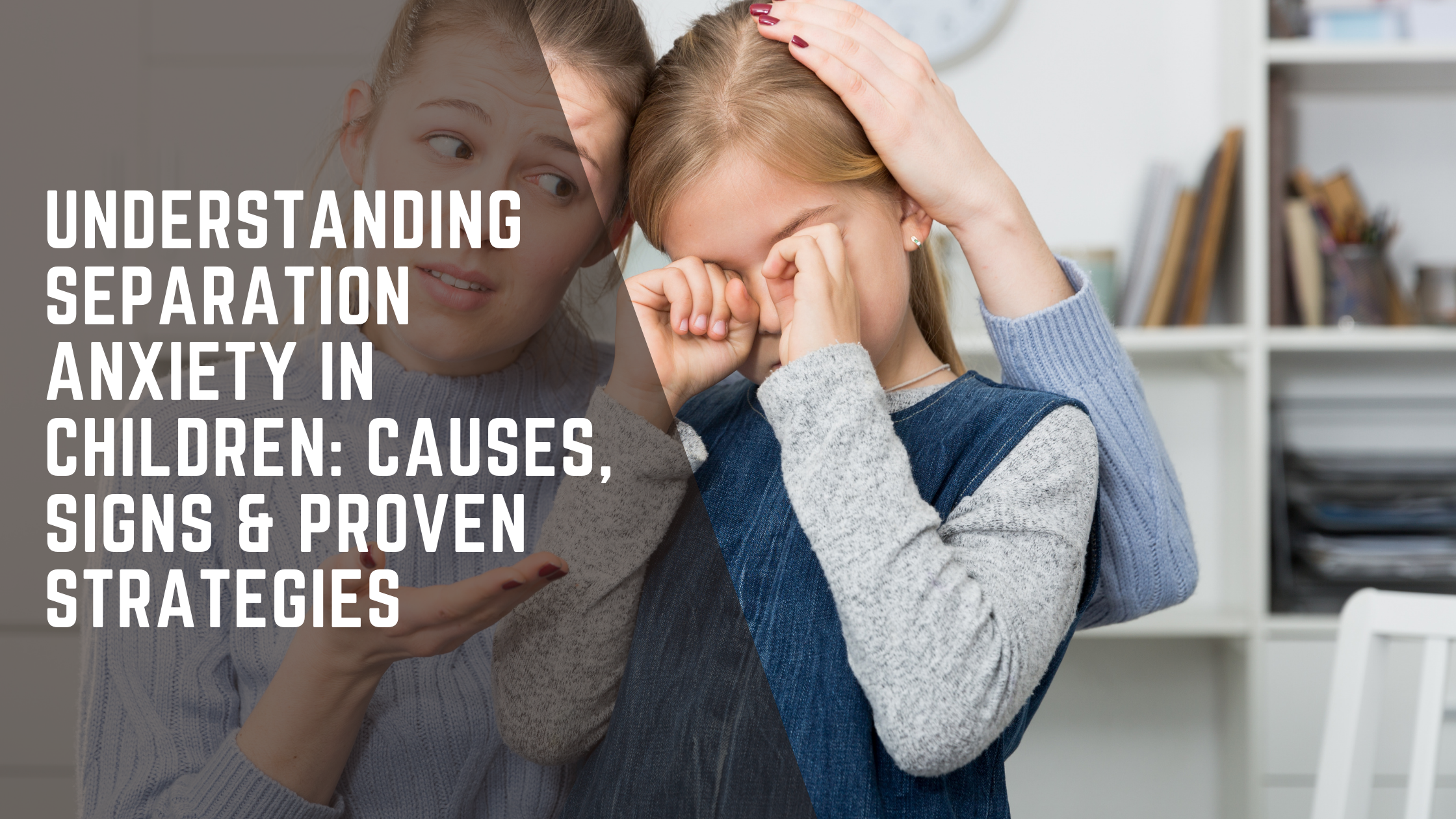
Navigating adolescence is a journey filled with rapid growth, emotional change, and increasing responsibilities. As teens strive for independence, one of the most important life skills they can develop is self-management. Strong self-management skills empower teens to regulate their behavior, set meaningful goals, control impulses, and make responsible decisions. This guide explores practical ways parents can help their teens build these critical skills while fostering confidence, resilience, and long-term success.
Why Self-Management Skills Matter for Teens
Self-management skills are the foundation for academic success, emotional stability, and healthy social relationships. These skills include goal setting, time management, self-discipline, emotional regulation, and responsibility. Teens who master self-management tend to perform better in school, experience fewer conflicts with peers or authority figures, and demonstrate greater confidence in their decision-making abilities.
In today’s fast-paced world—where distractions are everywhere and social pressures loom large—teens need clear guidance and intentional support. Helping your teen build strong self-management skills provides them with tools to plan ahead, stay focused, and take ownership of their actions.
Start with Open Communication
Effective communication lays the groundwork for self-management. Encouraging your teen to express thoughts, goals, and concerns creates trust and reinforces emotional awareness—an essential piece of self-regulation.
Here’s how parents can foster purposeful communication:
Ask open-ended questions. Instead of yes/no questions, ask “What challenges are you facing with your schoolwork?” or “How do you feel about your time management?”
Listen without judgment. Teens need to feel heard and understood before they can internalize advice.
Validate feelings. Acknowledging emotions teaches teens that understanding themselves is an important step toward self-control.
Consistent dialog builds a foundation where your teen feels supported, not criticized. This supportive environment strengthens their ability to manage stress and emotions constructively.
Teach Time Management and Prioritization
One of the most visible areas where teens struggle with self-management is time management. Between school assignments, extracurricular activities, social events, and screen time, it’s easy for teens to feel overwhelmed or distracted.
Effective strategies include:
Create a visual schedule. Planners, calendars, or mobile apps can help teens break tasks into manageable steps.
Set realistic goals. Encourage your teen to define daily, weekly, and long-term goals that reflect both school and personal priorities.
Teach prioritization. Help them identify what needs immediate attention versus what can wait.
When teens learn to organize their time, they reduce stress and build a sense of achievement. Prioritizing responsibilities also strengthens their self-discipline and reduces procrastination.
Encourage Emotional Regulation
Emotional regulation is a cornerstone of self-management. Teens experience intense emotions, and how they handle these feelings impacts their behaviors and relationships.
Parents can help by:
Modeling healthy coping strategies. Demonstrate deep breathing, journaling, or talking through frustrations.
Discussing triggers and reactions. Teens benefit from understanding what sets off strong emotions and how to respond calmly.
Reinforcing positive responses. Recognize when your teen handles a difficult situation maturely.
When teens learn to regulate emotions, they manage stress more effectively, avoid impulsive decisions, and approach challenges with clarity and calm.
Support Goal Setting and Accountability
Goals give purpose, motivation, and direction. Helping your teen set realistic goals enhances accountability and teaches perseverance.
Here’s how to support goal setting:
Set SMART goals. Goals should be Specific, Measurable, Achievable, Relevant, and Time-bound.
Break down big goals. Help your teen divide larger ambitions into smaller, achievable steps.
Review progress. Regular check-ins allow your teen to reflect on growth and adjust strategies if needed.
Encouraging accountability doesn’t mean taking over their responsibilities. Instead, it means guiding them to reflect on outcomes, learn from setbacks, and celebrate progress.
Promote Healthy Habits
Healthy habits support mental and emotional clarity—essential components of self-management. Encourage routines that enhance focus and overall well-being.
Promote adequate sleep. Teens need at least 8–10 hours of sleep for optimal brain function.
Encourage balanced nutrition. Healthy meals fuel focus and emotional balance.
Support physical activity. Exercise reduces stress and improves mood.
Consistent habits help teens stay grounded, improve concentration, and manage daily pressures with greater ease.
Conclusion: Empowering Teens for Long-Term Success
Helping your teen build strong self-management skills is one of the greatest gifts you can give. These skills not only support academic achievement but also foster resilience, self-confidence, and healthy relationships. Through open communication, intentional goal setting, emotional regulation, and structured support, parents can guide teens toward becoming responsible, independent young adults. When teens learn to manage themselves, they are better equipped to navigate life’s challenges with confidence and purpose.