

Unexpected Signs of Generalized Anxiety Disorder (GAD) You Might Not Know About
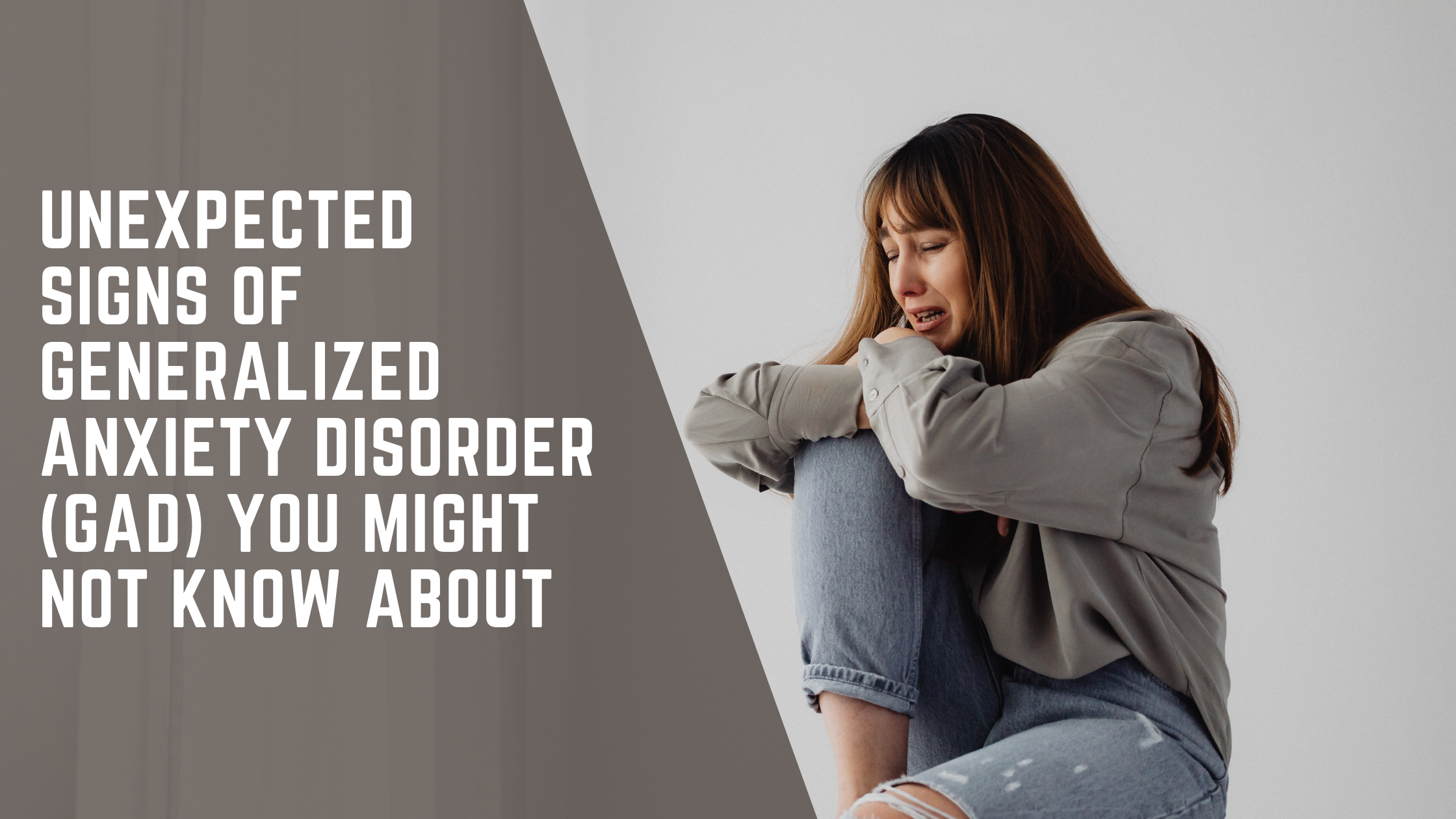
Generalized Anxiety Disorder (GAD) affects millions of people worldwide. Most people are familiar with classic symptoms like excessive worrying, restlessness, and difficulty concentrating. However, GAD often shows up in ways that are less obvious and frequently misunderstood. Recognizing these surprising symptoms early can make a huge difference in getting the right support and care.
In this blog, we dive deep into the lesser-known signs of GAD — from subtle physical sensations to behavioral changes that can seem unrelated to anxiety at first glance.
What Is Generalized Anxiety Disorder (GAD)?
Generalized Anxiety Disorder (GAD) is a mental health condition characterized by chronic and overwhelming worry about everyday issues. People with GAD often describe their anxiety as a constant undercurrent of fear that never fully goes away. Unlike brief episodes of stress or worry, GAD is persistent and can significantly interfere with daily functioning and quality of life.
Traditionally, clinical definitions of GAD emphasize emotional symptoms like excessive worry and fear. However, growing research and patient experiences reveal that GAD can manifest in surprising and confusing ways beyond the emotional realm.
1. Physical Pain With No Clear Cause
One of the surprising symptoms of GAD is experiencing body pain without an obvious medical cause. This can include:
Muscle tension and stiffness
Headaches or migraines
Joint discomfort
Chronic neck or back pain
These symptoms occur because anxiety triggers a prolonged activation of the body’s stress response. Over time, the muscles tighten, inflammation increases, and pain becomes chronic — even when there’s no physical injury.
Many individuals seek medical care for unexplained pain before realizing that anxiety is the underlying cause.
2. Digestive Disturbances and Irritable Bowel
Another lesser-known connection between GAD and health involves the digestive system. Anxiety significantly impacts gut health because the brain and gut are closely linked through the nervous system.
Common digestive symptoms related to GAD include:
Persistent bloating
Nausea
Irritable bowel movements
Sudden changes in appetite
These symptoms are often dismissed as diet or stomach problems, but for many people with GAD, digestive issues are a direct reflection of chronic anxiety.
3. Difficulty Sleeping or Restless Sleep
While most people associate anxiety with trouble falling asleep, the sleep disruptions caused by GAD can look much more subtle:
Lying awake replaying small details of the day
Waking frequently without a clear reason
Feeling tired despite getting enough hours of sleep
Tossing and turning all night
This kind of low-grade sleep disturbance can undermine mental and physical health over time, leading to fatigue, irritability, and further anxiety.
4. Overthinking Routine Conversations
Chronic overthinking is one of the hallmark cognitive symptoms of GAD — but it often goes unnoticed because people assume they are just “careful thinkers” or “detail-oriented.”
Examples include:
Replaying conversations in your head
Worrying about how others judged what you said
Anxiety over small social interactions
This kind of rumination feeds a cycle of anxiety that feels invisible on the surface but deeply affects emotional wellbeing.
5. Avoidance of Everyday Activities
Another surprising symptom of GAD is avoiding tasks or situations that others might consider normal or insignificant. This can present as:
Skipping social events due to fear of judgment
Avoiding phone calls or messages
Delaying daily errands until the last minute
This avoidance stems from anxiety about uncertainty and perfectionism. Over time, it can reinforce social isolation and worsen overall functioning.
6. Hyper-Vigilance and Over-Alertness
Unlike short bursts of alertness that help you focus, hyper-vigilance in GAD is a constant state of anxiety:
Being overly sensitive to noise or movement
Expecting the worst outcome in minor situations
Feeling “on edge” without an identifiable trigger
This continuous state of alertness drains emotional energy and contributes to persistent stress.
Conclusion: Recognizing the Hidden Faces of Anxiety
Understanding the full spectrum of Generalized Anxiety Disorder symptoms — especially the surprising ones — can transform how individuals approach mental health. When people recognize that persistent physical pain, digestive problems, sleep disruption, social avoidance, and overthinking may all stem from anxiety, it opens the door to better care, empathy, and healing.
If you suspect that your discomfort, stress, or unexplained symptoms might be connected to GAD, consider reaching out to a mental health professional. Awareness is the first step toward recovery — and there is support available to help you navigate every part of your anxiety journey.