

Unseen but Impactful: What You Need to Know About High-Functioning Anxiety
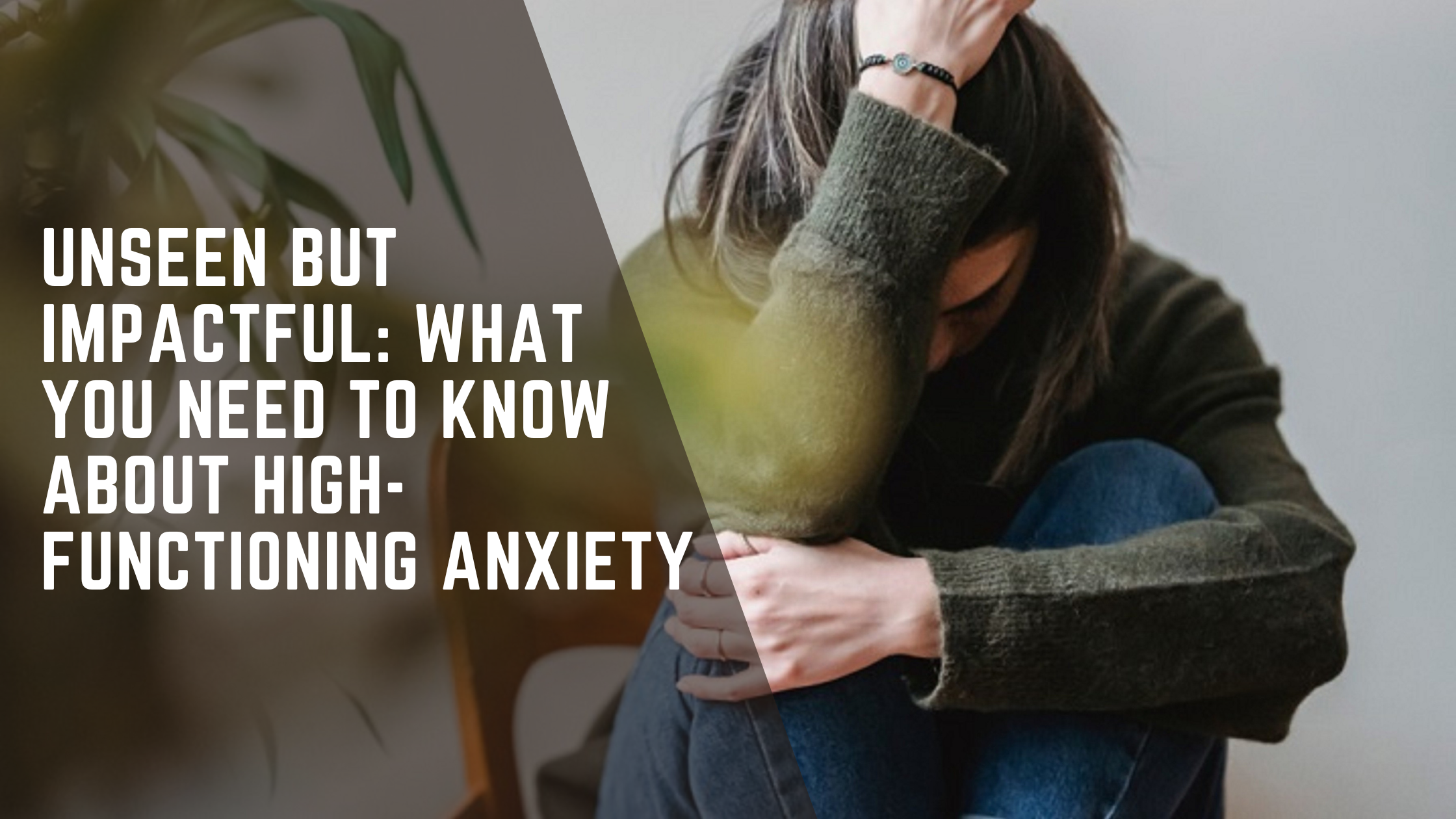
Many people think anxiety always looks the same—nervousness, panic attacks, or emotional overwhelm. But there’s another form that often goes unnoticed because it hides behind success, productivity, and calm professionalism. This is high-functioning anxiety—a mental health experience where someone appears successful and composed on the outside but battles intense inner pressure every day.
Although individuals with high-functioning anxiety don’t always show the classic signs of anxiety disorders, their struggles are real, persistent, and deserve understanding. This blog explores what high-functioning anxiety really is, how it manifests, and why acknowledging it matters for mental well-being.
What Is High-Functioning Anxiety?
High-functioning anxiety isn’t an official diagnosis in the Diagnostic and Statistical Manual of Mental Disorders (DSM-5), but it describes a pattern of anxiety symptoms that coexist with high achievement and outward confidence. People with this experience may:
Maintain successful careers
Stay highly organized
Appear calm and productive
Excel in social or professional environments
However, underneath this polished exterior lies an ongoing cycle of worry, self-criticism, and pressure to perform.
Common Signs and Symptoms
Understanding the signs of high-functioning anxiety can help individuals recognize when they need support or coping tools. Although symptoms vary from person to person, common patterns include:
1. Perfectionism and Overachievement
People with high-functioning anxiety often push themselves to excel at work, school, or personal goals. They may set extremely high standards and get upset when the outcomes aren’t “perfect.” This drive can look admirable—but it’s often rooted in fear of failure or judgment.
2. Constant Mental Chatter
Even when calm on the outside, the mind of someone with high-functioning anxiety is frequently busy—running through “what ifs,” rehearsing conversations, or preparing for worst-case scenarios. This persistent internal chatter can be draining.
3. Overthinking and People-Pleasing
Ruminating over decisions, anticipating others’ reactions, or modifying behavior to avoid conflict are common. Overthinking often feels like an attempt to control outcomes, but it increases stress over time.
4. Difficulty Relaxing
High-functioning anxiety doesn’t easily allow for rest. Even during leisure time, individuals may feel guilty for not being productive or restless when trying to unwind.
5. Hidden Physical Symptoms
Anxiety doesn’t stay in the mind—it shows up in the body. Those experiencing high-functioning anxiety may report headaches, muscle tension, digestive issues, fatigue, or sleep disturbances despite appearing well put together.
How High-Functioning Anxiety Affects Daily Life
Contrary to the belief that success eliminates mental health challenges, high-functioning anxiety can make everyday life more complex. Individuals may:
Struggle privately while appearing successful publicly
Feel misunderstood by friends or colleagues
Avoid seeking help due to embarrassment or fear of judgment
Experience burnout from long-term stress without acknowledgment
The “mask” of high performance can delay recognition of anxiety, making it harder to reach out for support until symptoms become overwhelming.
Strategies for Managing High-Functioning Anxiety
While it can be challenging to navigate anxiety that’s well disguised, there are practical ways to manage and reduce its impact.
1. Mindfulness and Self-Awareness
Mindfulness techniques help bring attention back to the present moment, reducing the grip of overthinking and fear-based thoughts. Practices like deep breathing, meditation, or journaling strengthen emotional regulation.
2. Setting Healthy Boundaries
Learning to say no, reduce overcommitment, and communicate needs clearly can protect emotional energy and prevent stress overload.
3. Professional Support
Talking to a licensed therapist or counselor can help uncover patterns behind high-functioning anxiety, build personalized coping tools, and provide emotional validation.
4. Redefining Success
High-functioning anxiety often ties achievement to self-worth. Shifting the definition of success from perfection to progress and well-being can reduce internal pressure.
Why Recognizing High-Functioning Anxiety Matters
Many individuals internalize statements like “I should be fine” or “I have no reason to be stressed” because their anxiety isn’t visible. However, anxiety—especially when well hidden—can erode quality of life, relationships, sleep, and physical health.
Understanding high-functioning anxiety:
Breaks the stigma around invisible mental health struggles
Encourages early support and intervention
Helps individuals build healthy emotional habits
Promotes lasting well-being instead of short-term coping
If you notice persistent worry, perfectionism, or stress—even in the absence of classic anxiety symptoms—it’s worth listening to your inner experience and exploring support.
Conclusion: You Are Not Alone
High-functioning anxiety may be hidden, but it’s neither uncommon nor a sign of weakness. In fact, many compassionate, high-achieving individuals quietly navigate it while maintaining success and resilience. Recognizing the signs and seeking support opens the door to better emotional balance, healthier habits, and more fulfilling daily life.
Whether you’re personally experiencing high-functioning anxiety or supporting someone who is, remember: validation and help are steps toward healing—not admissions of defeat. If you feel overwhelmed, reaching out to a qualified professional can make a profound difference. Best Mental Health Counseling in Oneonta, NY is available to help guide you through understanding, managing, and thriving beyond hidden anxiety.